
Caller ID: verify presentation, ownership and the return path
Evaluate caller ID as a complete operational process rather than a number displayed on an outbound call.
Read the guide
Build an outbound operating process with approved contact sources, suppression, time-zone handling, caller ID, retry limits and reviewable evidence.
Responsible outbound operations require an approved purpose, documented contact permissions where required, current suppression, recipient-aware schedules, authorised caller ID, controlled retries and reviewable records. Configure software around your applicable policies and jurisdiction-specific requirements. Technical controls support that process; they do not certify legal compliance.
Part of our guide: Contact center software
Before loading a list, identify what the campaign is trying to accomplish and why the business is entitled to contact each audience. Sales, service reminders and account follow-up can have different requirements. Have the appropriate policy or legal owner define the basis, disclosures and restrictions for the countries and communication methods involved.
Record the list source, acquisition date, intended use and evidence your approved process requires. A purchased spreadsheet or an existing customer record does not answer every permission question. Keep uncertain contacts out of the launch until the responsible owner resolves them. This article provides an operational checklist, not a jurisdiction-specific legal rulebook.
A list can be acceptable when imported and unsuitable by the time the next call is placed. Customers may opt out, a number may change ownership or the campaign scope may change. Design a process that updates internal suppression and relevant external checks according to your approved rules.
Test the complete opt-out path. An agent should know how to record the request, the record should update the correct person or number and the next attempt should respect the resulting restriction. Consider repeat imports, duplicate records and multiple campaigns. A local disposition that never reaches the next campaign is an incomplete control.
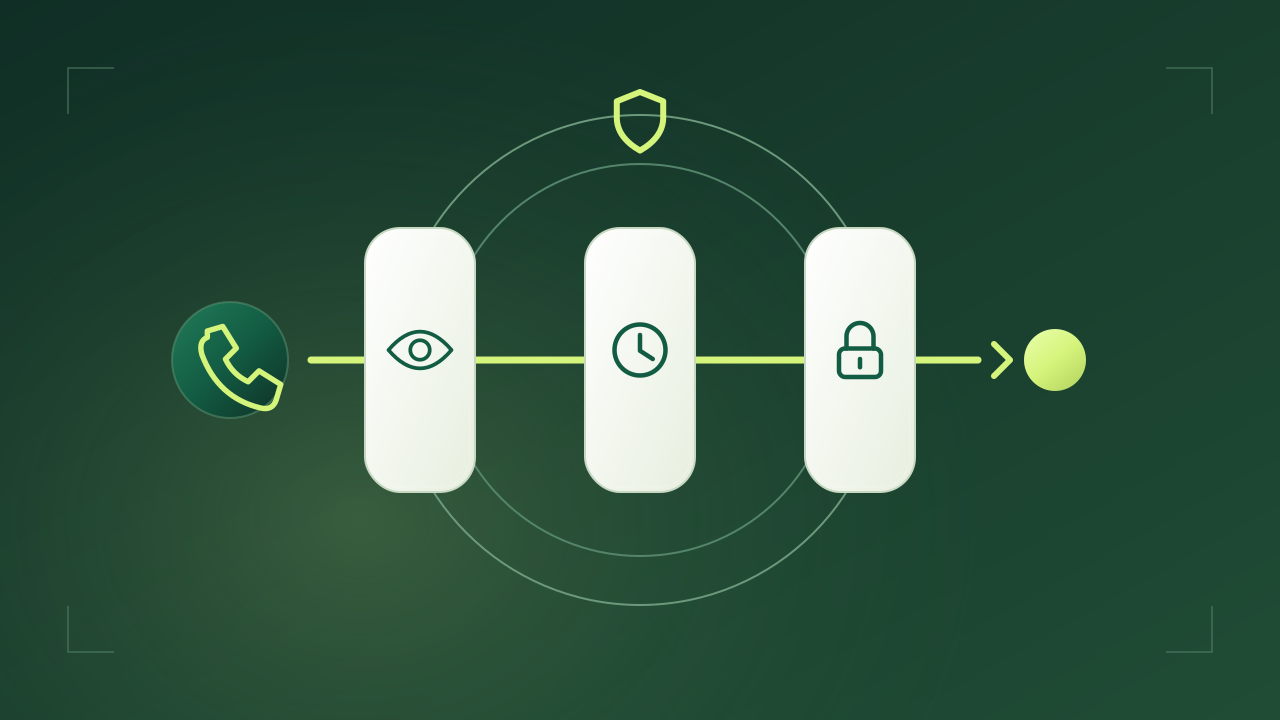
Have a responsible owner approve contact sources and campaign rules.
Schedule calls using the recipient information and policies your operation has approved. Telephone prefixes can be useful clues, but they are not infallible evidence of a person's current location. Account for missing location data, daylight-saving changes and campaigns crossing dates. Define the safe response when the system cannot determine the applicable window.
Use caller IDs the business is authorised to present and that customers can recognise or call back. Keep ownership and assignment records current. Test how numbers display on representative destination networks. The objective is an accountable customer contact process, with accurate identity and an accessible return path, rather than a cosmetic appearance of being local.
Set attempt frequency and retry rules according to policy and the customer's experience. Separate no answer, busy, wrong number, opt-out and requested callback; each should lead to a different next action. Ensure a promised callback has an owner and a realistic time rather than merely another automatic attempt.
Choose the dial mode around agent availability, list quality and the sensitivity of the work. Monitor connected calls that cannot reach a ready agent, unusual disconnects and complaint signals. Pause a campaign when behaviour differs from the approved design. More attempts are not automatically more useful conversations, and a higher connection rate does not establish customer acceptance.
Assign who can change calling rules, override a block, import a list and restart a paused campaign. Record the reason and scope of approved exceptions. Decide what happens when a suppression service, identity check or other required dependency is unavailable. The responsible policy owner should approve that failure behaviour before an outage occurs.
DialerBee describes per-attempt checks for configured suppression, schedules, consent records, caller-ID ownership, frequency and number format. Demonstrate those controls with both allowed and blocked test records. Confirm configuration, rule ownership and audit coverage for your deployment. A feature description is not evidence that the right policies have been configured for a particular campaign.
After launch, inspect blocked attempts, opt-outs, complaints, wrong numbers, retry distribution and representative recordings where recording is appropriate. Look for patterns by source list, destination, campaign and agent. Investigate a sudden rise in blocks or complaints before increasing traffic.
Keep the records necessary for your approved accountability and retention process, with restricted access and defined deletion. Combine permission evidence, campaign settings, changes and outcomes so a reviewer can reconstruct what happened. Review the process when entering a new country or changing communication technology. Operational discipline must follow the campaign as it evolves; it cannot be delegated entirely to a software label.
No. The applicable rules, contact basis, configuration and operating conduct still need appropriate review.
Do not assume so. Have your responsible owner define jurisdiction-specific policies and how uncertain location or timing data is handled.
Prepared by the ContactCenter.me editorial team, a BroadNet resource powered by DialerBee. Product statements reflect the linked documentation checked 2026-11-25. Operational examples are planning guidance. Read our editorial standards and commercial disclosure.
Estimate attempt volume, connected workload and daily agent requirements.
Track the practical work needed before moving queues, numbers, agents and workflows.
Build a weighted quality scorecard and export a reusable review template.

Evaluate caller ID as a complete operational process rather than a number displayed on an outbound call.
Read the guide
Test keypad digits through real trunks, transfers and menus without confusing audible tones with detected input.
Read the guide
Validate microphone permissions, selected devices, mute behaviour, reconnection and real call audio before assigning a workstation.
Read the guideExplore your requirements with a DialerBee specialist. Bring your workflows, your carrier, and your questions.