
Design call-recording retention as an owned lifecycle
Connect recording purpose, access, expiry, approved holds and exports in one operational lifecycle.
Read the guide
Agree service definitions, client access, evidence, exception ownership and a bounded first-shift decision.
A BPO acceptance pack connects the client’s service promise with the actual configured workflow, reporting definitions and named owners. It should contain a bounded pilot, approved access and reproducible test evidence. A signed proposal or a branded dashboard alone does not prove readiness to handle the client’s customers.
Part of our guide: Contact center software
Record the enquiry types, channels, languages, opening hours and permitted actions. State what agents must escalate and who on the client side can decide. Identify supplied scripts, knowledge and data, with approval dates. Keep changes separate from the initial scope. A BPO can otherwise inherit an undefined promise to handle every enquiry, while the client assumes specialist tasks or after-hours work that the operating team never planned.
List BPO agents, supervisors, client reviewers, platform administrators and integration identities. Specify which client records and recordings each may view or export. Use approved sample tenants and accounts to test access rather than inferring it from different logos. Define support-access approval and expiry. A client reviewer who needs a limited quality sample should not receive broad administrator rights merely because that is the easiest way to open a report.
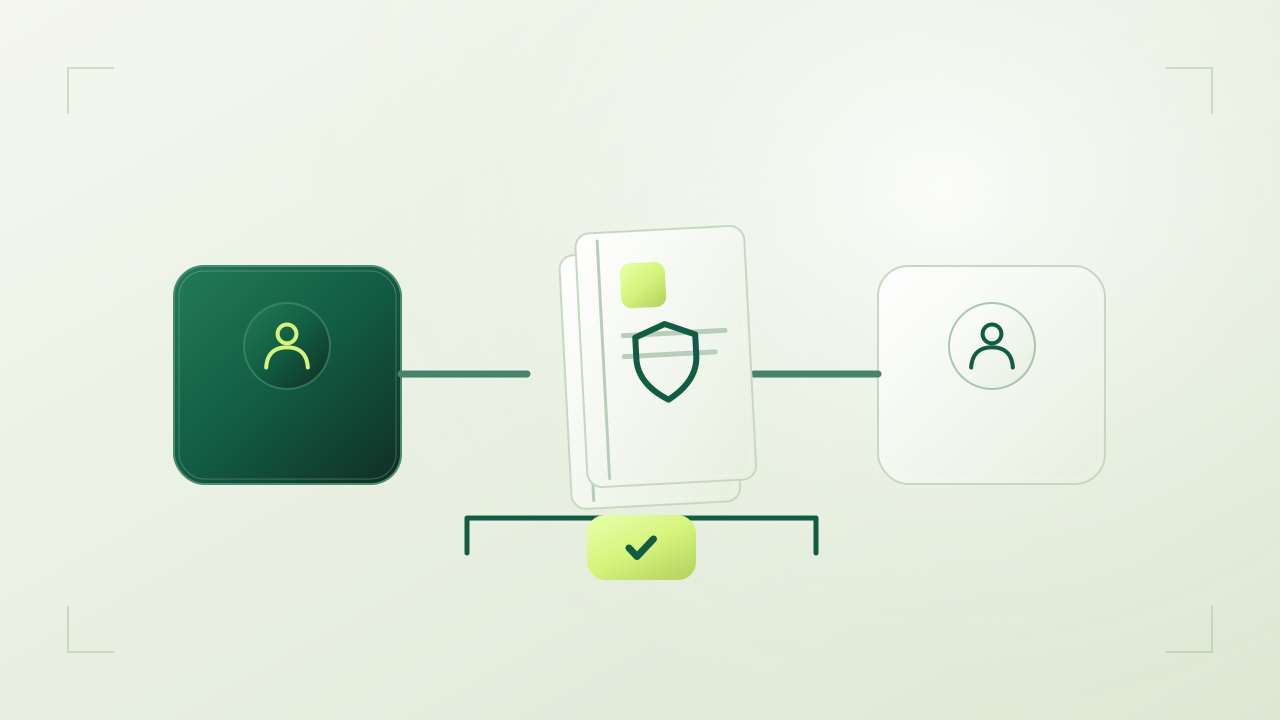
Connect client promises to observed workflows.
A fictional BPO onboards an equipment-support client for status enquiries and agent-operated callbacks. It does not include technical diagnosis or autonomous AI list campaigns. Build fixtures for a normal status request, missing order information and an issue requiring the client’s specialist. The accepted outcome is an accurate response or an owned escalation. This is an illustrative acceptance exercise, not a claim about a real BPO or a measured client improvement.
Agree what offered, handled, abandoned, resolved and callback-completed mean, including time zone, period and exclusions. Reproduce one sample period from underlying events where available. If the client and platform reports differ, document the boundary or definition rather than assuming one is wrong. Include QA criteria and reviewer calibration. A dashboard label resembling the contract wording does not establish that the numerator and denominator are identical.
Practise an unavailable carrier route, an unanswered client escalation and a CRM timeout using approved test conditions. Check who informs the client, who works the defect and who approves a temporary fallback. Test a callback left at shift end and a customer changing channel. Keep current support contacts and service boundaries in the handover. A generic supplier ticket number is not a complete plan for continuing the customer service.
Collect sign-off from the responsible operations, telephony, data, security and client owners. List unresolved non-critical items with dates and stop conditions. DialerBee publishes multi-tenant and white-label capabilities whose available, assisted and planned surfaces differ; match the acceptance pack to actual scope. Do not transfer group certifications or turn an uptime target into an unagreed client SLA. Review the first complete operating window before extending channels, tasks or customer volume.
Agree how a client-requested script change is approved after launch. Test a fixture that uses the earlier version while the new one is being reviewed. This exposes whether agents can identify the current instruction and prevents an informal message from silently becoming an unsupported service commitment.
It defines commercial intent, but the important journeys, access and operating responsibilities still require acceptance evidence.
Use consistent foundations where appropriate, but reconcile each contract’s definitions and exclusions before presenting totals as comparable.
Prepared by the ContactCenter.me editorial team, a BroadNet resource powered by DialerBee. Product statements reflect the linked documentation checked 2026-11-25. Operational examples are planning guidance. Read our editorial standards and commercial disclosure.
Create a practical requirements brief for your contact center software evaluation.
Build a weighted quality scorecard and export a reusable review template.
Track the practical work needed before moving queues, numbers, agents and workflows.

Connect recording purpose, access, expiry, approved holds and exports in one operational lifecycle.
Read the guide
A practical Arabic voice-agent acceptance test covering dialects, mixed-language details, interruption, accurate answers and human handoff.
Read the guide
Build an outbound operating process with approved contact sources, suppression, time-zone handling, caller ID, retry limits and reviewable evidence.
Read the guideExplore your requirements with a DialerBee specialist. Bring your workflows, your carrier, and your questions.