
Build a SIP acceptance test matrix before connecting live traffic
A practical SIP acceptance sheet covering signalling, media, routing and reproducible failure evidence.
Read the guide
Build a transparent bandwidth estimate including codec payload, packet overhead, concurrency and operating headroom.
Voice bandwidth planning starts with the negotiated codec and packetisation, adds transport overhead, then applies realistic simultaneous streams and headroom. Codec payload bitrate is not the same as network bandwidth. Validate the estimate under representative load and keep the assumptions visible for each direction and media leg.
Part of our guide: What is CCaaS?
Map browser-to-platform, platform-to-carrier and any PBX or recording path relevant to the network you are sizing. Different legs may negotiate different codecs or traverse different networks. A purchase described as fifty agents does not specify fifty simultaneous calls on every link. Establish which traffic crosses the office connection, remote-worker network or hosted gateway, and identify who owns the capacity and monitoring for each segment.
A codec produces audio data, while real packets also carry headers and may include encryption or tunnel overhead. Packet frequency affects how often that overhead is paid. In a simplified illustrative model, a 32 kbit/s payload with 50 packets per second and 40 bytes of assumed overhead adds 16 kbit/s, producing 48 kbit/s in one direction. The header assumption is deliberately simplified; measure your actual stack before using the figure.
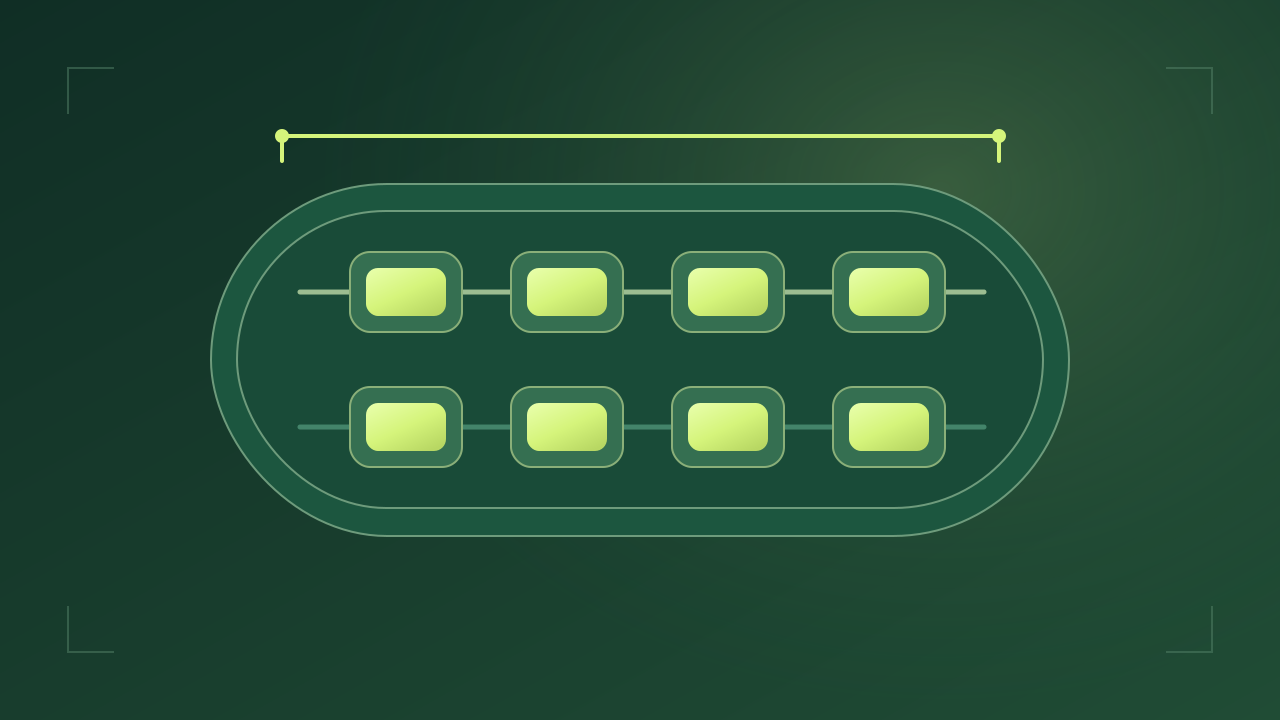
Keep codec payload and network bandwidth separate.
RFC 7587 describes Opus over RTP and its configurable bitrate behaviour. Do not assume every Opus call uses one fixed network rate or that silent periods eliminate traffic. Configuration, packetisation and implementation matter. Ask what bitrate envelope and transport overhead the supplier expects. If transcoding occurs between legs, inspect capacity and quality on both sides rather than applying a browser codec figure to a carrier trunk.
Suppose a fictional office expects twenty simultaneous streams at the simplified 48 kbit/s one-direction estimate. The payload-plus-assumed-header subtotal is 960 kbit/s in that direction. Add your selected planning headroom and other traffic separately; do not call this a complete circuit recommendation. Confirm the receiving direction too. Calls, sessions, legs and streams are different units, so document precisely which one your concurrency input counts.
Run authorised test calls while reproducing ordinary office traffic within approved limits. Inspect packet behaviour and listen to speech from both parties. Include hold and transfer if they alter the path. Watch whether a capacity estimate that looks comfortable on average fails during bursts or a network failover. Ask engineers to validate quality-of-service settings and observed utilisation rather than assuming a faster advertised connection automatically solves every problem.
Prefer a configuration the complete path supports and that meets the observed quality and operating requirements. A lower payload rate can save capacity but does not by itself establish the best customer experience. Record fallback codecs, transcoding assumptions and the test evidence. DialerBee’s BYOC description is a reason to request a compatibility exercise, not proof of support for every codec combination. Revisit the model when concurrency or routing changes. Keep expected and observed traffic on the same measurement boundary. An office interface counter may include other applications and both media directions, while a codec report may count audio payload alone. Comparing those totals without adjustment creates a misleading capacity conclusion.
Only as a rough starting point after defining simultaneous streams. Agent count, call concurrency and media legs are not interchangeable.
No. Consider supported end-to-end negotiation, transcoding, audio quality, network constraints and the evidence from your own test.
Prepared by the ContactCenter.me editorial team, a BroadNet resource powered by DialerBee. Product statements reflect the linked documentation checked 2026-11-25. Operational examples are planning guidance. Read our editorial standards and commercial disclosure.
Model chat or messaging staffing with a clearly stated concurrency assumption.
Estimate average concurrent calls and a configurable headroom allowance.
Create a practical requirements brief for your contact center software evaluation.

A practical SIP acceptance sheet covering signalling, media, routing and reproducible failure evidence.
Read the guide
Distinguish packet loss, jitter, delay and device problems, then connect measurements to the audible symptom.
Read the guide
Move to a new contact-center platform while retaining your SIP carrier, with test calls, staged routing, ownership and a documented rollback.
Read the guideExplore your requirements with a DialerBee specialist. Bring your workflows, your carrier, and your questions.