
A practical BYOC migration plan for your contact center
Move to a new contact-center platform while retaining your SIP carrier, with test calls, staged routing, ownership and a documented rollback.
Read the guide
Define rollback authority, triggers, configuration, data changes and customer commitments before cutover.
A rollback plan should restore an approved service state and reconcile work created during the attempted cutover. Record the trigger, decision owner, exact route or configuration to restore and the treatment of new contacts, messages and callbacks. Pointing a number back is only one part of recovering the operation.
Part of our guide: What is CCaaS?
Identify whether the change moves one number, queue, agent group, campaign or integration. Record the old and new configuration and which dependencies they use. A rollback for a telephone route may not undo a CRM schema change or a message already sent. Make these boundaries explicit before the change window. Keep the restored service’s actual capacity and access available rather than assuming an old configuration can be reactivated after its account is cancelled.
Choose observable conditions that justify rollback, such as a critical routing failure, unusable two-way audio or lost task ownership. Define the evidence and who may decide. Keep urgent safety or service decisions separate from less serious defects that can be fixed within the window. Avoid relying on a universal failure percentage without understanding impact. A single failed critical journey may matter more than many successful non-critical test calls.
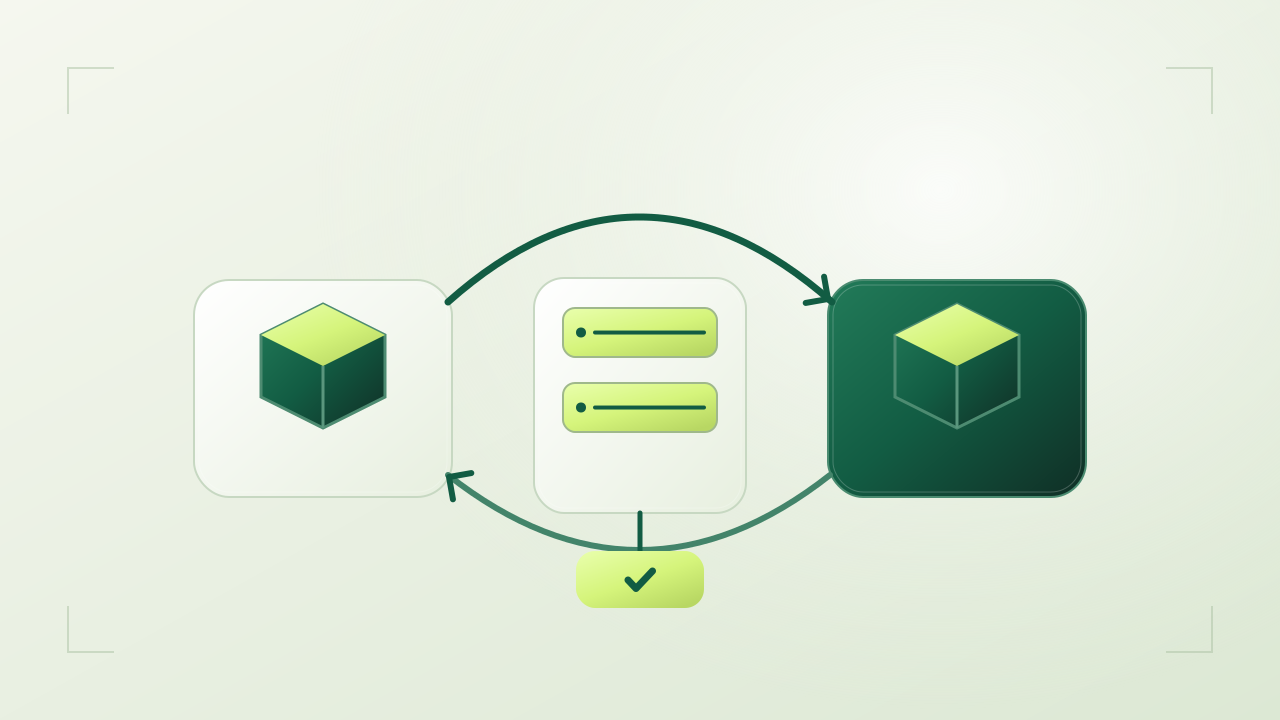
Define the unit, trigger and authorised rollback owner.
A fictional support team moves one queue to a new platform, then finds transfers to dispatch fail. The approved plan restores the earlier route. During the pilot, however, two callback requests and one customer note were created in the new system. Those fixture records need assigned reconciliation before anyone resumes the old workflow. This example is a planning scenario, not an account of a real outage or actual customer data.
List changes that can be restored and actions that cannot simply be erased: messages sent, appointments created, files exported or customer promises made. Define the authoritative state and reconciliation procedure for each. Use identifiers and supported exports rather than copying everything blindly. A rollback that duplicates calls or contradicts an appointment can create additional customer harm even when the restored phone route now passes a basic call test.
Within an authorised test environment, verify the people, access and configuration needed to restore the route. Test initial calling, transfer, closed hours and reporting after restoration. Confirm that old and new workers do not both continue the same campaign or reminder job. Record the observed restoration time without presenting it as a universal guarantee. Keep engineers and business owners aligned on what restored means, including unresolved reconciliation work.
Assign every residual task, communication and data correction to an owner with a review point. Keep the defect evidence and tested fix before scheduling another cutover. DialerBee’s BYOC and integration resources inform compatibility questions, but your rollback responsibilities need their own agreement. Do not cancel fallback access until its dependencies and exit obligations are resolved. A successful recovery is an explainable service state with customer commitments accounted for, not merely an old server switched back on.
Preserve identifiers from both systems for every reconciled fixture. A later audit or customer query may refer to the abandoned pilot’s call reference. Mapping that reference to the restored workflow helps staff reconstruct the history without treating the pilot records as if they never existed.
No. CRM writes, messages, appointments and callback commitments may require separate reconciliation.
Agree them before the change where possible, with clear authority for urgent decisions and a tested fallback.
Prepared by the ContactCenter.me editorial team, a BroadNet resource powered by DialerBee. Product statements reflect the linked documentation checked 2026-11-25. Operational examples are planning guidance. Read our editorial standards and commercial disclosure.
Track the practical work needed before moving queues, numbers, agents and workflows.
Create a practical requirements brief for your contact center software evaluation.
Model chat or messaging staffing with a clearly stated concurrency assumption.

Move to a new contact-center platform while retaining your SIP carrier, with test calls, staged routing, ownership and a documented rollback.
Read the guide
Build a practical RFP covering real journeys, deployment, security, integrations, complete pricing, pilot acceptance and exit requirements.
Read the guide
A practical SIP acceptance sheet covering signalling, media, routing and reproducible failure evidence.
Read the guideExplore your requirements with a DialerBee specialist. Bring your workflows, your carrier, and your questions.